Snow Load & Wildfire: Builder's Risk for Mountain Spray Foam Construction
By Josh Cotner
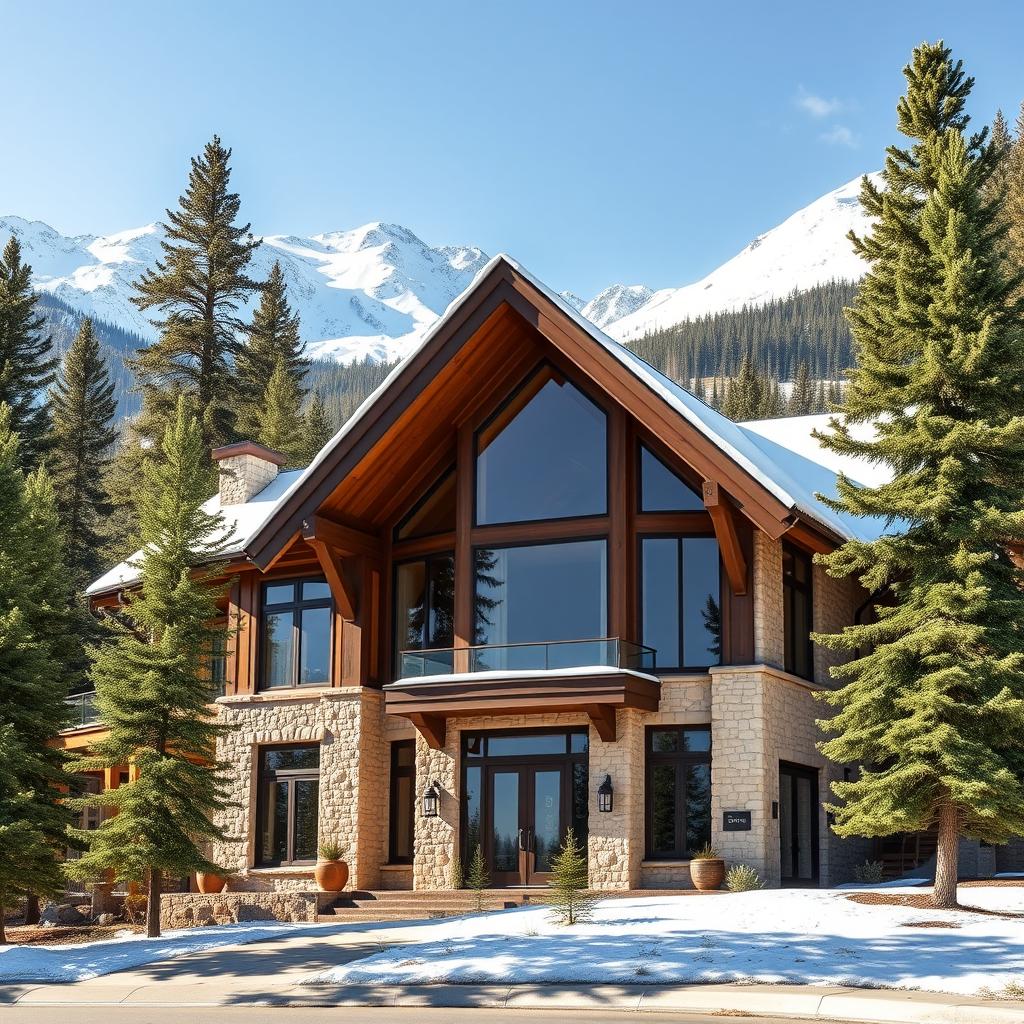
Builder's risk — also called course-of-construction coverage — protects a structure, its materials, and installed work while construction is underway. In most of the country it's a relatively calm line. In the Colorado high country, the same policy has to contemplate a winter storm collapsing a half-built luxury home and a wildfire dropping embers on the jobsite. For spray foam contractors, that changes everything.
What builder's risk actually covers
Builder's risk protects the structure and the work installed in it during construction. For an SPF contractor, that can mean the foam you've installed, the structure you're working in, and the materials staged on site, insured against fire, theft, wind, and — critically in the mountains — snow-load and wildfire. Once a certificate of occupancy is issued, builder's risk ends and the permanent property policy takes over, which means the construction phase is its own coverage problem.
Snow load: the mountain exposure most policies ignore
An open or partially enclosed structure under construction is far more vulnerable to snow-load than a finished building. A timber-frame home with walls up, sheathing partially on, and foam freshly applied can collect hundreds of pounds of snow per square foot through a mountain winter. If the structure collapses under that load, a generic builder's risk policy that only contemplates fire and theft can leave a devastating loss uncovered. We write builder's risk that explicitly addresses snow-load during construction.
Wildfire and ember exposure
Many Telluride-area jobsites sit in the wildland-urban interface, where wildfire-ember exposure during construction is a real risk. Embers can travel well ahead of a fire line and ignite materials, staging, or an open structure. Builder's risk structured for the mountains addresses wildfire and ember exposure during the build window — not just generic fire.
Whose responsibility is it — yours or the owner's?
It depends on the contract. On many luxury-home projects the owner or general contractor carries builder's risk, but contracts vary — and when the responsibility lands on you, or when the language is ambiguous, an uninsured winter-storm or wildfire loss during construction can come back to your company. Read the insurance requirements in every contract before you start work, and bind coverage if builder's risk is on you or unclear.
What good mountain builder's risk looks like
- Limits scaled to the value of the structure and your installed work
- Snow-load coverage explicitly included for open and partially enclosed structures
- Wildfire and ember exposure addressed for WUI jobsites
- Theft, fire, and wind during construction
- Coverage from groundbreaking through closeout, including the staged-materials window
- Coordination with your GL and umbrella so there are no gaps
Coordinate it with your other coverage
Builder's risk during construction connects to your general liability, your equipment (inland marine) coverage for staged materials, and your umbrella for the high values involved. We structure them together so that whether a winter storm collapses a structure mid-build or a wildfire threatens a staged jobsite, the right policy responds — and you're not fighting with a carrier over which one applies.
Bind it before winter, not during a storm
The most expensive time to think about builder's risk is when a winter storm or wildfire is imminent — carriers bind restrictions go up, and you may be unable to add coverage. The right time is at the start of the job, with the mountain construction window in mind. If you're already mid-project and uncovered, call us — but the cleanest path is binding coverage before the first snow.
Need this coverage for your crew?
Get a real quote in about 15 minutes — we shop A-rated specialty markets.