What Does It Cost to Insulate an Older Mountain Home in Telluride?
By Telluride Spray Foam
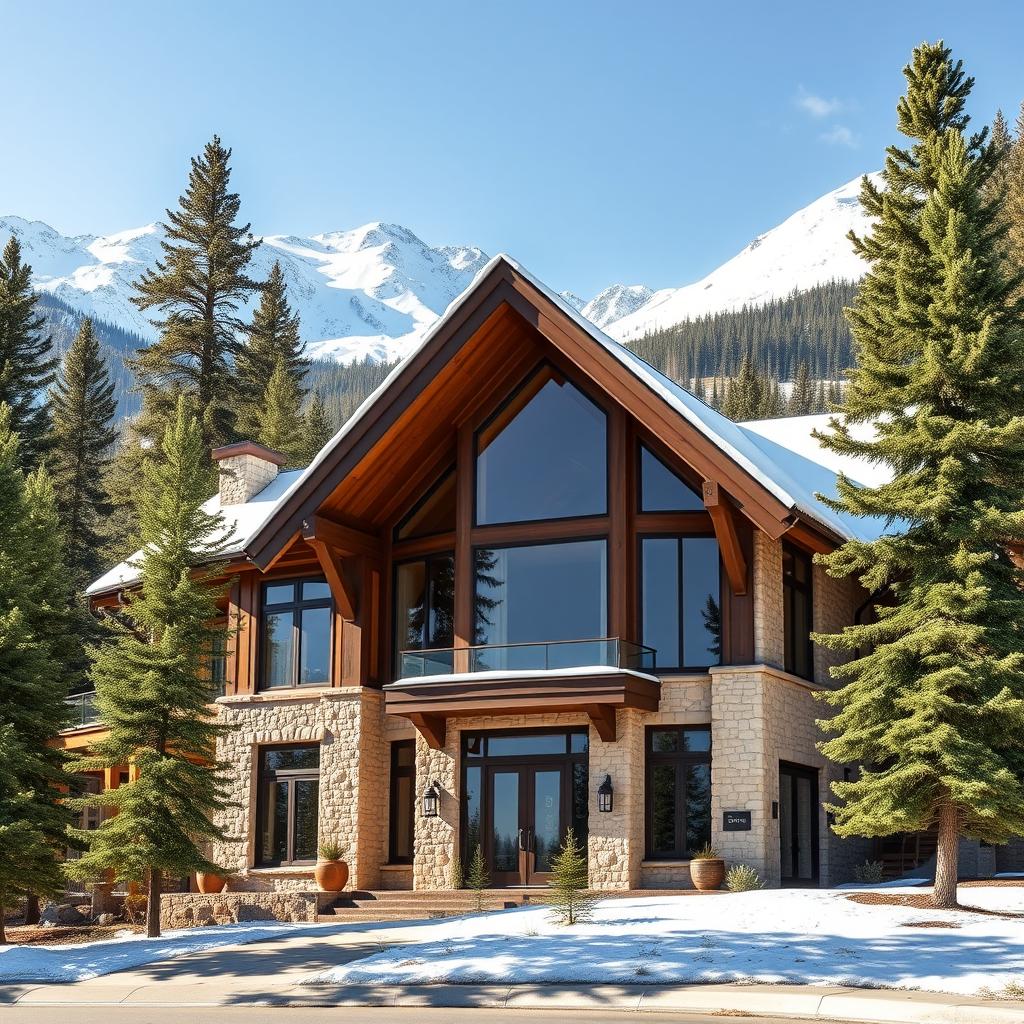
Telluride is full of beautiful older homes — character-rich, well-loved, and, in many cases, barely insulated by modern standards. If you're heating a 1970s or '80s mountain house, you already know the symptoms: cold rooms, drafty nights, propane bills that climb every winter, and ice dams on the roof. Retrofitting that home with spray foam is one of the highest-return upgrades you can make. Here's a realistic look at what drives the cost and what to expect.
Why older mountain homes cost so much to heat
Most pre-1990s homes in the San Juans were built with thin fiberglass batts, minimal attic insulation, and no real air-sealing. In a mild climate that's inefficient. At 8,000+ feet, where the temperature swing is brutal and heating season runs most of the year, it's expensive. Heat escapes through the attic, cold air pours in through the crawl space (the "stack effect"), and every gap in the framing leaks warm air you've paid to heat.
What a retrofit actually costs
Spray foam is priced by the board foot (one square foot at one inch thick), and the two big variables are square footage and required thickness (which sets your R-value). Closed-cell costs more per board foot than open-cell but delivers roughly twice the R-value per inch, so you often reach target with less material.
Roughly, the projects we see most:
- Roof deck / attic conditioning. Spraying closed-cell to the underside of the roof deck to stop ice dams and warm the home. Scope and roof geometry drive the number, but this is the single highest-impact upgrade for most older homes.
- Crawl space encapsulation and insulation. Sealing and foaming below-grade walls and the rim joist to warm floors and block moisture. Usually a smaller, focused scope.
- Whole-home retrofit. Roof deck + crawl space + targeted wall areas. The largest investment — and the one that transforms how the house feels and performs.
We won't quote a number on a website, because every home is different and a real number requires a look at the actual space. What we will do is come out, assess the home, and hand you a fixed-price quote with a projected energy-savings range so you can see the payback before you commit.
How to think about the payback
This is the part that surprises people. A properly foamed mountain home routinely cuts heating bills by 30–50%. At mountain propane and electricity rates, that payback often lands in the three-to-seven-year range on energy savings alone — before you count the things that don't show up on a utility bill:
- Comfort. Warm floors, even temperatures, no more drafty rooms.
- Ice-dam elimination. No more roof damage, no more spring repair bills.
- Moisture and air quality. A sealed, conditioned envelope is drier and cleaner.
- Resale value. High-performance homes command a premium in a market full of drafty ones.
Where to start if you're budget-conscious
If you can't do everything at once, start where the heat loss is worst. In most older mountain homes that's the attic and roof deck first, then the crawl space. Those two upgrades deliver the largest comfort and bill improvement for the money, and you can stage further work over time. An assessment tells you exactly where your home is losing the most heat and which project pays back fastest.
The takeaway
There's no single number for "how much to insulate a mountain home" — but for an older Telluride house, the right retrofit is almost always one of the best investments you can make in the property. The way to get a real answer is a free on-site assessment: we measure the space, identify the biggest heat-loss areas, and give you a fixed quote and a payback projection you can actually use.
Ready to put this to work in your home?
Get a free on-site estimate and a clear plan — no pressure, no obligation.