How Spray Foam Stops Ice Dams in Telluride Homes — For Good
By Telluride Spray Foam
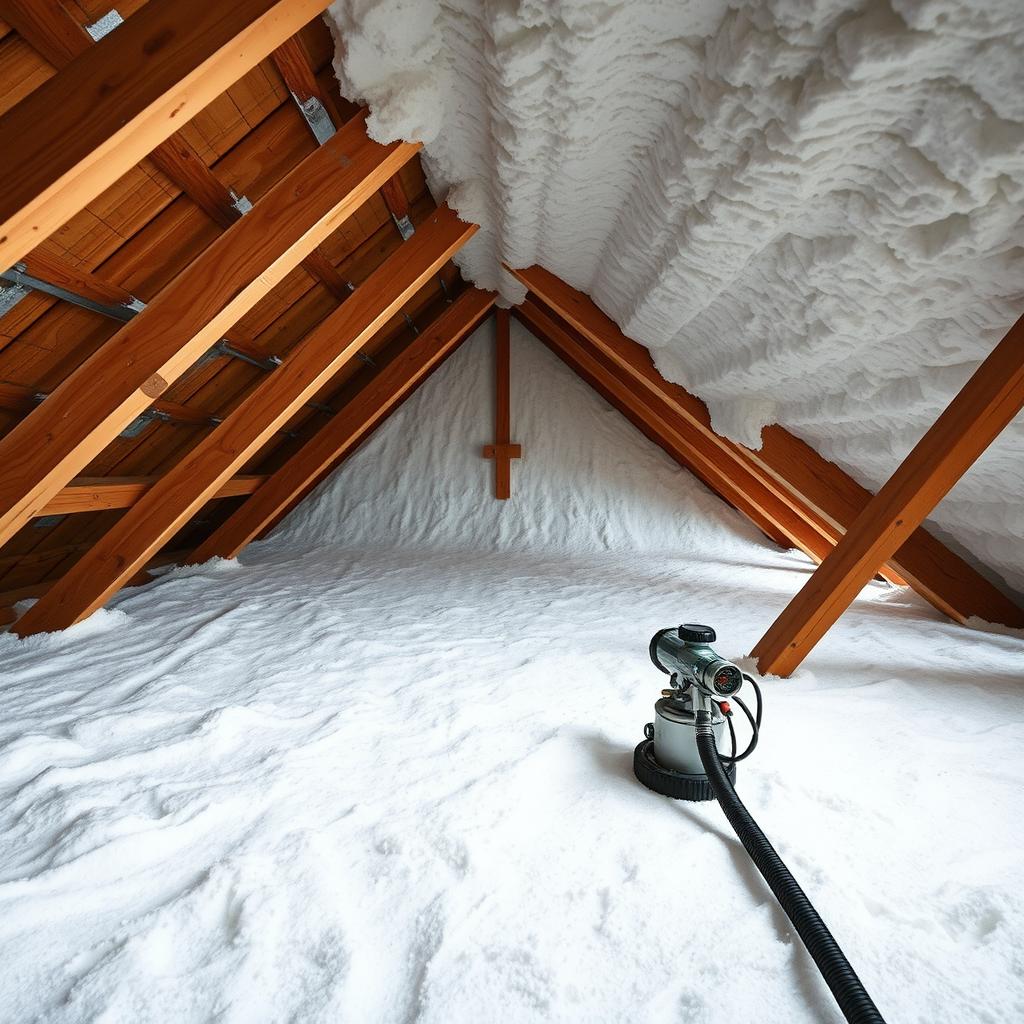
If you own a home in Telluride or Mountain Village, you know the annual ritual: snow piles on the roof, the sun comes out, and suddenly there's a thick ridge of ice at your eaves backed by a pool of meltwater working its way under your shingles. Ice dams are one of the most damaging — and most preventable — problems a mountain home can have. And the fix isn't a heat cable. It's insulation done right.
What an ice dam actually is
An ice dam is a ridge of ice that forms along the lower edge of a roof, trapping meltwater behind it. That pooled water has nowhere to go but up — under the shingles, into the roof deck, through the ceiling, and down the walls. The damage from a single bad ice-dam season can run into the tens of thousands of dollars.
The root cause is a warm roof
Here's the part most homeowners miss: ice dams are not really a roofing problem. They're an insulation and air-leakage problem.
Snow melts on a roof because the roof is warm — heated from below by air leaking out of the living space and into a vented, under-insulated attic. That meltwater runs down the roof until it reaches the cold eave overhang, where it refreezes into a dam. More snow melts, more water pools, and the dam grows.
A roof that stays cold and evenly tempered doesn't melt snow unevenly, so it doesn't build dams. That's the whole game.
Why the common "fixes" fail
- Heat cables melt a channel through the dam, but they don't stop the dam from forming — and they run up your electric bill all winter.
- Roof raking clears snow, which removes the raw material for meltwater, but it's a chore you repeat after every storm and it does nothing about the heat loss driving the problem.
- More attic floor insulation helps slow conductive heat loss, but it doesn't address the warm air leaking up through gaps, recessed lights, and the hatch — which is most of the problem.
None of these get at the root cause: a vented attic sitting between a warm house and a cold roof.
The permanent fix: a conditioned attic
The cleanest, most permanent solution is to bring the attic inside your home's conditioned envelope — and the way you do that is by spraying closed-cell spray foam directly to the underside of the roof deck.
Here's what that accomplishes:
- The roof stays cold. With the roof deck insulated from below and no warm air reaching it, the roof surface stays close to outside temperature. Snow melts evenly (or not at all), so it can't refreeze into a dam.
- The air leaks are sealed. Closed-cell foam is a seamless air barrier. The gaps, cracks, and penetrations that were dumping warm air into the attic are now sealed shut.
- Your attic becomes usable space. A conditioned attic is clean, temperate, and dry — great for storage or future finishing — instead of a freezing, vented cavity.
- Your HVAC runs better. If your furnace, water heater, or ductwork lives in the attic, it's now inside the conditioned envelope instead of sitting in a freezing room. Everything runs more efficiently.
Does it work for every home?
In the vast majority of mountain homes with chronic ice dams, roof-deck foaming eliminates the problem — often completely. There are edge cases (complex roof geometries, specific venting configurations, homes where the issue is solar gain on a south-facing slope rather than heat loss), and an on-site assessment tells us which homes are the best candidates and whether any detailing is needed. But for the classic "warm-attic, icy-eaves" house that defines winter in the San Juans, roof-deck foam is the fix.
The bottom line
Ice dams are a symptom. The disease is a roof being heated by air that should be staying in your living space. Close-cell spray foam on the roof deck treats the disease — and as a bonus warms your home, lowers your heating bills, and gives you a clean, usable attic. If you're tired of fighting ice dams every winter, that's where to start.
Ready to put this to work in your home?
Get a free on-site estimate and a clear plan — no pressure, no obligation.