Crawl Space & Basement Insulation for mountain homes
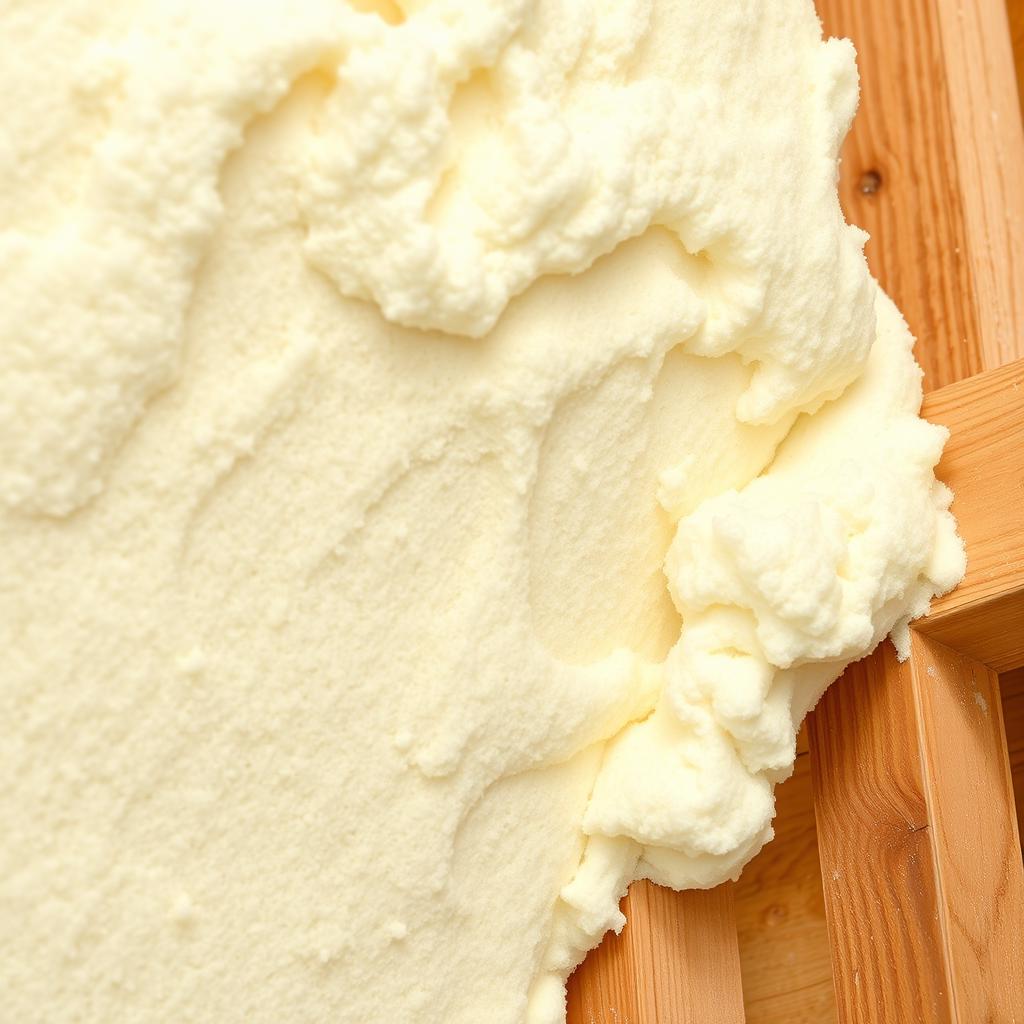
Cold, damp crawl spaces mean freezing floors, musty smells, and frozen pipes. Closed-cell spray foam insulates and encapsulates the walls and rim joist of below-grade spaces — sealing out ground moisture, stopping the stack effect, and warming the floors above.
What's included
- Closed-cell foam on crawl-space walls and rim joists
- Moisture and vapor control for below-grade spaces
- Seals the gap between foundation and floor framing
- Stops cold-air drafts that chill floors above
- Helps prevent frozen pipes in crawl spaces
- Reduces musty odors and humidity in the home
Who it's for
- Homes with cold floors over crawl spaces or basements
- Properties with moisture, humidity, or musty smells
- Homes at risk of frozen pipes in below-grade spaces
- Anyone upgrading an older, uninsulated foundation
Why choose us
- Encapsulation done as a moisture + insulation system, not just foam
- Closed-cell chosen specifically for its vapor-barrier performance
- Crawl spaces are a mountain specialty — we see them every week
Common questions about crawl space & basement insulation
Because it does two jobs at once: it insulates and it acts as a vapor barrier. Below-grade spaces are constantly fighting ground moisture, and closed-cell's dense, closed structure resists water absorption and blocks vapor drive. Open-cell and fiberglass both hold moisture in a crawl space — closed-cell won't. That's why it's the right material below the floor.
Yes — dramatically, in most homes. The stack effect pulls cold air from the crawl space up through the house, chilling floors and wasting heat. Sealing and insulating the crawl space stops that cold-air influx at the source, so floors above warm up and the whole home holds its heat better.
Ready to make your home warmer?
Get a free on-site estimate and a clear plan — with the right spray foam for your home and an honest projection of the savings.